

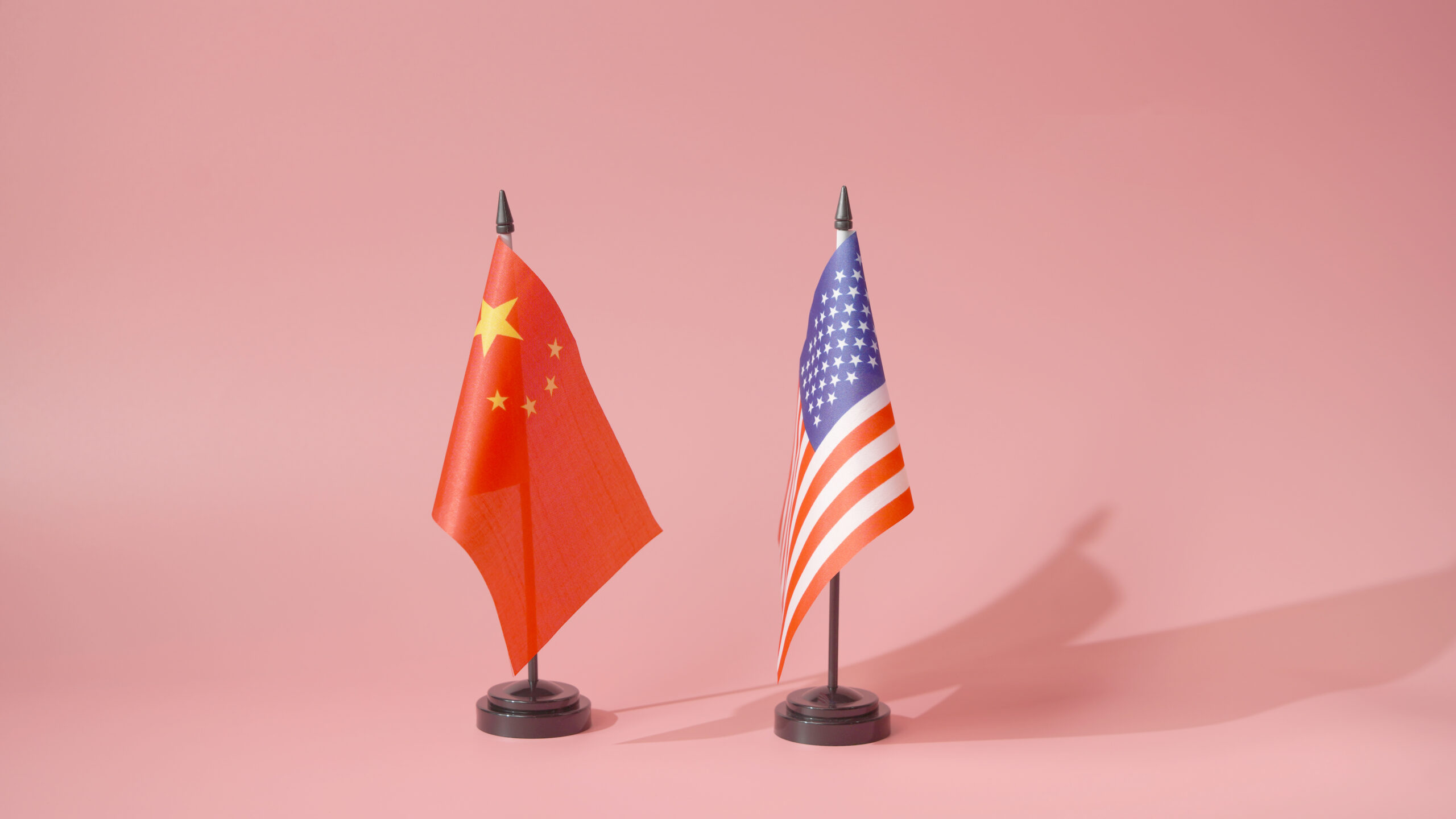
For importers of toys, holiday decorations, and home textiles, the latest U.S.–China tariff announcement offers something worth examining: the possibility of lower tariffs on products that have faced significant duty pressure.
On September 27, the United States and China announced reciprocal lists of products recommended for more favorable tariff treatment. The framework covers approximately 60 billion in annual trade—30 billion in each direction—and includes 77 categories of goods imported into the United States from China.
That’s welcome news for businesses that have spent years adjusting purchasing decisions, pricing, and inventory plans around changing tariffs.
But there’s an important distinction.
The products have been identified for potential relief. The reductions still need to be legally implemented.
Until that happens, importers should continue calculating duties under the requirements currently in effect.
Toys, Textiles, and Household Goods Make the List
The proposed U.S. import list includes products familiar to many American retailers and distributors:
- Children’s toys, including dolls and puzzles
- Christmas ornaments and other holiday decorations
- Towels, blankets, bed linens, and table linens
- Tableware and kitchenware
- Selected household and personal care appliances
- Child safety seats and other consumer products
China’s corresponding list covers a much broader range of U.S. export categories, including agricultural commodities, medical equipment, and other non-sensitive goods.
The two governments intend to provide more favorable treatment for qualifying products through their respective domestic procedures.
For U.S. importers, the potential benefit could be meaningful. Lower duties may improve landed costs, create additional sourcing flexibility, or help businesses recover margins compressed by successive tariff measures.
However, a broad product description is not enough to establish eligibility.
For example, a company importing children’s toys should not assume every product in its catalog will receive the same treatment. The relevant tariff classification and the measure’s final legal scope will determine which goods qualify.
The Announcement Is Not the Effective Date
This is the most important point for importers planning their next shipment.
The September 27 announcement establishes a framework for tariff relief. It does not, by itself, mean importers can already claim the lower rates on customs entries.
The final implementation will need to clarify the applicable tariff provisions, eligible classifications, effective dates, and any conditions or exclusions.
That distinction matters when you place purchase orders, shipments are already in transit, or inventory is scheduled to arrive during the fourth quarter.
An importer may identify a potential savings opportunity today without yet being entitled to claim it.
A proposed tariff reduction belongs in your planning. An effective tariff reduction belongs in your customs entry.
Keeping those two stages separate helps prevent errors in landed-cost calculations and entry declarations.
What About the Other Tariffs on Chinese Goods?
Another question deserves attention: how will the proposed reductions interact with existing duties?
Imports from China can be subject to multiple tariff measures, depending on the product and its classification.
Those may include ordinary Most-Favored-Nation duties, existing Section 301 measures, and other applicable trade remedies.
The new framework is intended to provide more favorable treatment for covered goods, with reports indicating that many qualifying products could return to standard MFN tariff rates.
But importers should wait for the implementing measures before determining precisely which additional duties will be reduced, suspended, or otherwise affected.
A lower tariff announced in a trade agreement does not automatically eliminate every other duty associated with a product.
The complete entry-level calculation still matters.
A Separate Section 301 Case Adds Another Question
While importers watch for implementation of the U.S.–China agreement, another tariff issue remains before the courts.
On September 30, the U.S. Court of International Trade heard arguments challenging the administration’s separate Section 301 forced-labor tariffs, which generally impose additional duties of 10% or 12.5% on products from numerous trading partners.
The plaintiffs argue that the measures exceed the authority provided under Section 301. The government maintains that the tariffs are lawful responses to foreign practices involving forced-labor import prohibitions.
The court hearing did not itself eliminate the duties.
Importers should treat this litigation separately from the newly announced U.S.–China product lists. The two developments involve different legal processes, and neither should be used to change duty calculations without an applicable legal change.
Businesses managing significant import volumes should monitor both developments.
Four Things Importers Can Do Now
There is useful work to be done while the implementation details are being finalized.
First, identify potentially affected products. Review your Chinese-origin imports against the announced categories, beginning with products such as toys, holiday merchandise, household goods, and textiles.
Second, verify the HTS classifications. Eligibility will depend on the legal product descriptions and classifications, not simply the commercial names used by suppliers.
Third, calculate the potential difference. Compare current landed costs with possible reduced-duty scenarios. This can help purchasing and finance teams understand the opportunity without treating it as guaranteed savings.
Fourth, monitor the effective date and entry requirements. Once the measures are formally implemented, review the published instructions before changing entry procedures or duty assumptions.
These steps also provide a useful foundation for discussions with suppliers. A potential reduction may influence future sourcing decisions, but purchase commitments should account for possible changes in implementation details or timing.
Preparation Comes Before Savings
After decades of changes to U.S.–China trade policy, one lesson remains consistent: the announcement is only the beginning of the customs analysis.
The product must qualify. The classification must be correct. The effective date must apply. And the entry must reflect the duties legally required at that time.
For importers of toys, home textiles, and other covered consumer goods, the September agreement presents an opportunity to review future costs and purchasing plans.
It is not yet a reason to assume that every incoming shipment will clear at a lower rate.
At Coppersmith, we help importers evaluate tariff changes against their actual products, classifications, sourcing arrangements, and entry requirements.
If your business imports goods that may appear on the proposed list, now is a good time to review those products and prepare for the next announcement.
The opportunity may be coming. The preparation can begin today.
